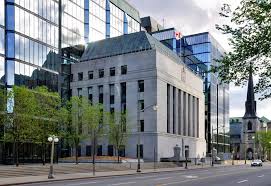

In a rare moment of alignment, both the Bank of Canada and the U.S. Federal Reserve delivered policy announcements on the same day, opting to leave their respective key policy rates unchanged.
Neither central bank signaled an immediate shift in direction, reinforcing a “wait-and-see” stance as they continue to assess inflation trends, economic growth, and labor market conditions.
The synchronized pause suggests:
- Ongoing caution around declaring victory over inflation
- Sensitivity to slowing economic momentum
- Reduced near-term volatility expectations for bond and rate markets
For borrowers and investors alike, this reinforces the view that rate cuts remain possible—but not imminent.
Both the Bank of Canada and the U.S. Federal Reserve are holding their key policy rates steady for overlapping structural and cyclical reasons, even though their economies are not identical. Below are the main economic forces driving this shared pause, with detail beneath each.
1. Inflation Is Lower—but Not “Defeated”
- Headline inflation has fallen, largely due to easing supply chains and lower goods inflation.
- Core inflation remains sticky, especially in:
- Services
- Shelter / housing-related costs
- Wages
- Central banks are wary of cutting too early and reigniting inflation expectations.
Key concern: Inflation progress could stall or reverse if financial conditions ease prematurely.
2. Labour Markets Are Cooling—But Still Tight
- Employment growth has slowed in both countries.
- Job vacancies are declining, but:
- Wage growth remains above levels consistent with 2% inflation
- Layoffs are not widespread
- This creates an awkward middle ground:
- Not hot enough to hike
- Not weak enough to cut
Central bank view: Labour markets must cool gradually, not break suddenly.
3. Lag Effects of Past Rate Hikes Are Still Working
- Monetary policy operates with long and variable lags (12–24 months).
- Many households and businesses are only now fully feeling:
- Higher borrowing costs
- Mortgage renewals at higher rates (especially acute in Canada)
- Cutting rates before lag effects fully materialize risks policy error.
4. Financial Stability Considerations
- Holding rates steady helps avoid:
- Overstimulating housing markets (Canada)
- Excessive risk-taking in equities and credit markets (U.S.)
- Both central banks are balancing:
- Inflation control
- Financial system stability
- Household debt vulnerability
This is especially critical given high leverage and asset price sensitivity.
5. Global Uncertainty & Geopolitical Risk
- Ongoing global risks include:
- Energy price volatility
- Geopolitical conflicts
- Slowing growth in Europe and China
- These create inflation and growth uncertainty simultaneously, reinforcing caution.
Result: Central banks prefer flexibility over commitment.
6. Data Dependence Has Replaced Forward Guidance
- Both banks have shifted away from signaling precise future moves.
- Policy decisions are now meeting-by-meeting, driven by:
- Inflation prints
- Wage data
- Consumer spending
- Credit conditions
Holding rates steady preserves optionality.
7. Divergent Economies, Similar Risk Balance
While Canada and the U.S. differ:
- Canada: higher household debt, mortgage sensitivity
- U.S.: stronger growth, more resilient consumers
…the risk distribution is similar:
- Upside inflation risk if cuts come too soon
- Downside recession risk if rates stay too high too long
A pause minimizes both.
What This Means in Practical Terms
- Cuts are possible, but central banks want confirmation, not hope
- Expect:
- Longer “higher-for-longer” messaging
- Fewer but more impactful rate moves when they happen
- Mortgage, bond, and equity markets are being told: don’t front-run us